


Digital Activism Isn’t Saving the World
Renae Townsend | Opinion Editor
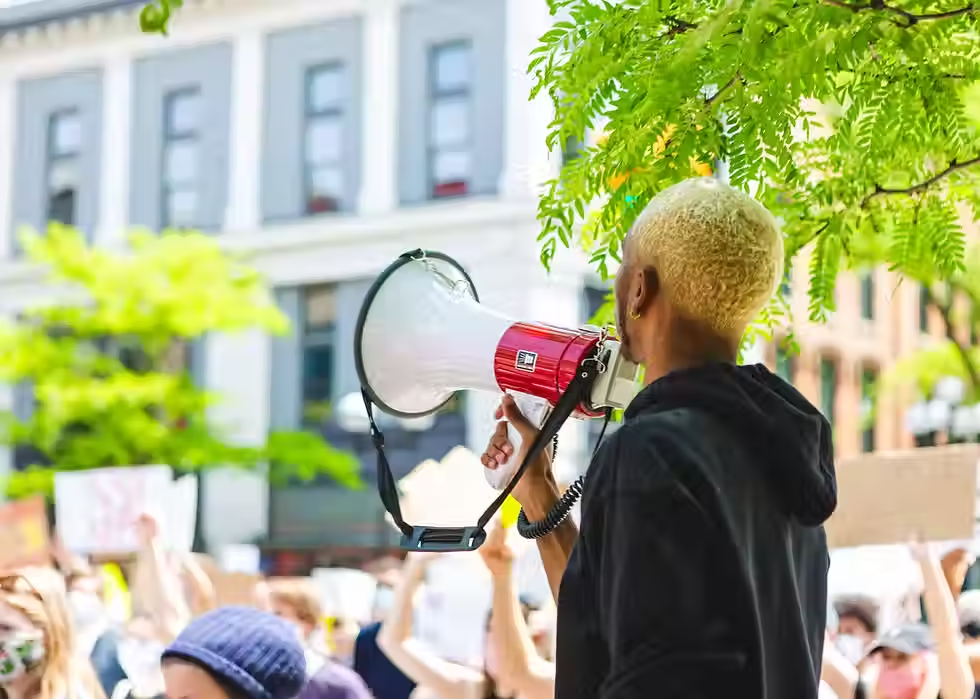
Many of us may remember spring of 2020 (after the death of George Floyd), when a multitude of America’s youth and young adults ran to social media to voice their opinions about relevant societal issues. This included clipping Michael Jackson’s song, “They Don’t Really Care About Us”, promoting boycotts of businesses and painting Black fists on their faces in attempts to promote Black Lives Matter.
Or, the way I see it, they posted on their social media performatively and forgot about the issue at hand within a month. And this isn’t to judge or shade anyone; I am just as guilty of this as well as my audience.
Slacktivism refers to low-effort digital initiatives—such as posting something to an Instagram story, liking a hashtag, and changing profiles—to support social and political causes without putting time to the physical commitment being supported. The University of British Columbia recently conducted a study that concluded that someone who publicly supports a cause, isn’t any more likely to join in meaningful supports in the future. Public token support may trick brains into feeling like a goal has been achieved, like an individual has done their part. This reduces the internal drive to continue the work they have started; by either donating money or attending a physical protest.
More recently we saw an overwhelming low of media activism regarding Afghanistan and the humanitarian crisis there. There was temporary support and attention, fortunately. And then the wave came and went—and another Big Issue arriving sparked new social media outrage. These digital trends desensitize people to the real issues once the “trend” at the moment dies. Afghanistan continues to face a complex emergency.
By the end of 2020, Black Lives Matter on platforms like TikTok and Twitter had decreased significantly. As soon as news reporters stopped covering it and there was a new outrage somewhere else, the influencers with their Black Fists and protest songs tapered off as well. Real change, real protesting shouldn’t require viral hashtags. It should happen when there are no cameras recording—when how you appear on social media doesn’t matter.
I don’t want to make it seem like social media activism isn’t powerful in its own way. Platforms like Instagram and TikTok allow news that may not be mainstream to spread across geographical boundaries. Individuals can share personal stories with global audiences. This summer not a lot of news stations were covering the power outages in Gary Indiana; but videos from panicked residents were being shown on TikTok feeds.
If you don’t want to be a performative activist—if you truly want to make a change, I recommend not seeing a post and immediately sharing it. Take time and learn about the issue. Get involved in local community issues if you can and volunteer for the causes you’re passionate about. The most important thing; voting. Vote in local elections, vote in presidential elections, get out there and vote! Make your opinions heard. Social media is a powerful megaphone, but how meaningful is a megaphone when nobody is willing to march? If we want our generation to be remembered for making a difference—and not sitting behind our screens generating content—then we need to get out there.


Comments